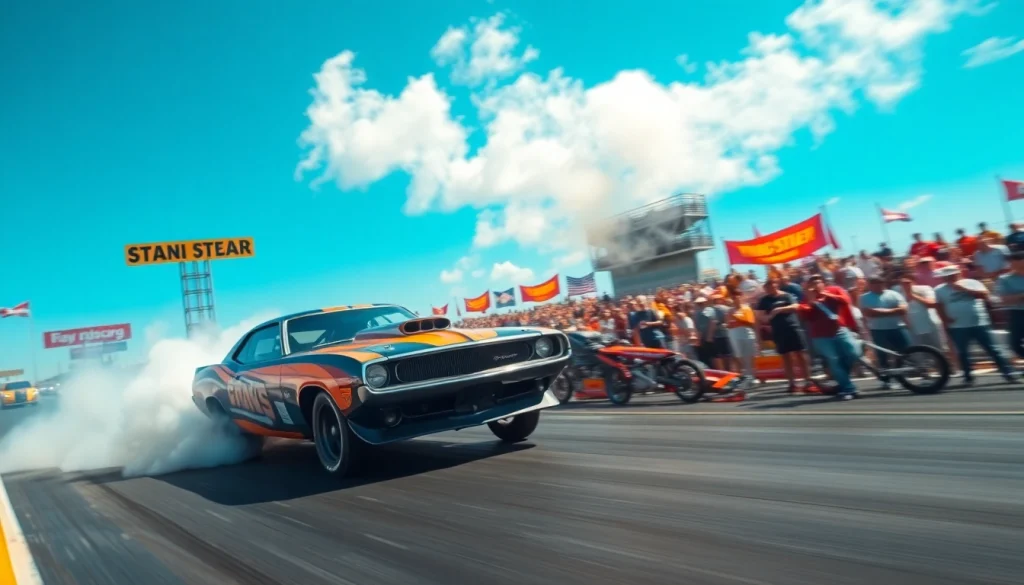
Understanding Drag Racing Events
Drag racing is more than just a high-speed contest between two vehicles; it’s a culture, a community, and a sport steeped in tradition. Each racing event captivates thousands of fans who gather to witness the thunderous roar of engines and the thrill of competition. For those interested in learning more about drag racing events, whether you are a seasoned participant, a curious spectator, or simply a motorsport enthusiast, this comprehensive guide delves into the different aspects of this electrifying world.
The Basics of Drag Racing
At its core, drag racing consists of two vehicles racing side by side on a straight track, typically a quarter-mile long, to see who can reach the finish line first. The races start from a complete stop, often using a tree lighting system to signal the start. Competitors need not only speed but also precise timing and vehicle control. The first car to cross the finish line, as monitored by timing lights, is declared the winner.
The origins of drag racing can be traced back to the early 1950s, primarily in Southern California, where hot rod enthusiasts sought to settle car performance disputes in a safe and organized manner. Fast forward to today, and drag racing has evolved into an internationally recognized sport with professional leagues, thrilling events, and massive audiences.
Types of Drag Racing Events
Drag racing events vary widely in terms of format, organization, and participant experience. Here are some of the primary types:
- Professional Drag Racing: These are large-scale events sanctioned by organizations such as the National Hot Rod Association (NHRA) or the International Hot Rod Association (IHRA). They often feature multiple classes of competition, including Top Fuel, Funny Car, and Pro Stock.
- Bracket Racing: This form allows drivers of varied skill levels to compete fairly. Racers are handicapped based on their vehicles’ capabilities, and the goal is to run as close to a predetermined dial-in time as possible without going faster.
- Nostalgia Racing: This type celebrates the history of drag racing, allowing participants to race classic cars that evoke the spirit of the sport’s early days.
- Street Legal Events: Designed for enthusiasts who wish to test their street cars in a controlled environment, these events are generally less formal and focus on fun and community.
Key Terminology in Drag Racing
Understanding the language of drag racing is crucial for both fans and participants. Here are some essential terms:
- RT (Reaction Time): The time it takes for a driver to react to the starting signal.
- E.T. (Elapsed Time): The total time taken to complete the race from start to finish.
- Trap Speed: The speed of the vehicle as it crosses the finish line.
- Burnout: The act of spinning the tires to heat them up for better traction before the race.
Major Drag Racing Series and Schedules
National Hot Rod Association (NHRA) Events
The NHRA is the largest governing body in drag racing, organizing events throughout the United States. Their schedule typically features numerous events, including:
- Mission Foods Drag Racing Series: A top-tier series that showcases the best in professional racing.
- Lucas Oil Drag Racing Series: Features a variety of classes and is known for developing future professional drivers.
- Summit Racing Series: Focuses on local racers competing for points that can qualify them for national events.
For the upcoming NHRA event schedules, fans and participants can refer to their official site for the most accurate and updated information on events and ticketing.
International Drag Racing Organizations
While the NHRA dominates the U.S. scene, international drag racing is also vibrant. Organizations such as the European Drag Racing Championship (EDRC) and various sanctioned leagues in Australia and Canada contribute to the global racing landscape. Each organization has its distinct events, rules, and racer categories, cultivating a rich, international rivalry.
Regional Drag Racing Series
In addition to the national leagues, many regions in the United States have their own racing series. These local events play a significant role in grassroots racing, offering opportunities for local racers to compete regularly. Some examples include:
- Texas Raceway Series
- California Street Legal Drag Racing Events
- Midwest Regional Series
These events typically cater to a wide range of skill levels and vehicle classes, making them accessible and welcoming for new participants.
How to Participate in Drag Racing Events
Getting Your License for Drag Racing
Before you can hit the track, aspiring racers must obtain a drag racing license from an accredited organization, such as the NHRA or IHRA. This process usually involves completing a driver’s school, which covers the rules of the track, vehicle safety, and proper racing techniques. Afterward, students must successfully pass a series of test runs leading to their license.
Registering for Local Events
Once licensed, participants can register for local events typically hosted by drag strips. Each venue will have its registration process, often done online or at the track. Fees vary by event type and location.
Building or Modifying Your Drag Car
Having the right vehicle is crucial for competitive drag racing. This may involve either building a car from the ground up or modifying an existing vehicle. Important considerations include:
- Weight Reduction: Lighter cars often perform better due to higher acceleration.
- Engine Modification: Enhancing the engine’s power output can significantly impact performance.
- Safety Features: Installing roll cages, fire suppressants, and other safety gear is critical to meeting race regulations.
Many resources, including specialized shops and forums, can assist with this process for both novices and experienced builders.
Attending Drag Racing Events: A Fan’s Guide
What to Expect on Race Day
Attending a drag racing event is electrifying. From the moment you arrive, the atmosphere buzzes with excitement. Fans can witness a variety of vehicles, ranging from stock cars to nitromethane-fueled monsters. Race day activities typically include preliminary runs leading up to the main events, providing ample opportunities to experience the thrill of speed and precision.
Best Practices for Spectators
To fully enjoy your experience at a drag racing event, consider the following:
- Arrive early to secure good seats and explore the facilities.
- Bring ear protection; the roar of engines can be deafening.
- Stay hydrated and wear sunscreen, as race days often involve prolonged exposure to the sun.
- Familiarize yourself with the event schedule to catch all the action.
Exploring Merchandise and Food Options
Most drag racing events offer a variety of food stalls and merchandise vendors, allowing fans to indulge in local cuisine while picking up memorabilia from their favorite racers and teams. Support local vendors, and don’t hesitate to explore different food options to enhance your overall experience.
Maximizing Your Drag Racing Experience
Following Drag Racing News and Updates
Keeping up with drag racing involves more than just attending events. Follow blogs, podcasts, and social media channels dedicated to drag racing to stay informed about upcoming events, racer profiles, car modifications, and performance tips.
Engaging with the Drag Racing Community
Engaging with fellow fans and racers can significantly enhance your experience. Forums, local clubs, and social media groups provide platforms to connect, share experiences, and learn from one another. Attending informal gatherings or car shows outside of race days can also build valuable relationships within the community.
Tips for Becoming an Informed Drag Racing Fan
For those passionate about drag racing, it’s essential to be an informed spectator. Here are some tips to enhance your knowledge:
- Learn the rules and regulations governing different classes.
- Familiarize yourself with the various types of cars and their specifications.
- Understand the technologies and innovations that influence performance.
By actively seeking out this knowledge, you can appreciate the intricacies of the sport and engage in deeper conversations with other fans and participants.